How much is my engagement ring worth? It is usually the first question people ask once they start thinking about selling. Maybe life has changed, maybe it is time for an upgrade. Either way, understanding what your ring can actually sell for is more complicated than checking the original receipt. The gap between what you paid and what buyers are willing to offer can be surprising, and knowing what drives resale value helps set realistic expectations before you start the selling process.
The Gap Between Retail Price and Engagement Ring Resale Value
The moment an engagement ring leaves the jewelry store, its value changes significantly. Retail prices include overhead costs, marketing expenses, sales commissions, and profit margins that don’t transfer to the secondary market. When selling an engagement ring, understanding this gap is crucial because buyers in the resale market evaluate pieces based on intrinsic value rather than the original purchase price.
The engagement ring resale value typically reflects what the materials and stones are worth to someone purchasing them used, not what a retailer charged for a brand-new piece with full warranty and presentation. This applies to nearly all jewelry, not just engagement rings. The resale value of diamond rings depends heavily on the quality and characteristics of the center stone, the weight of the precious metal, and whether the piece carries a prestigious brand name. Most privately owned rings will sell for a fraction of their original cost, and this reality often catches sellers off guard.
What Holds Value in Your Engagement Ring, and What Doesn’t
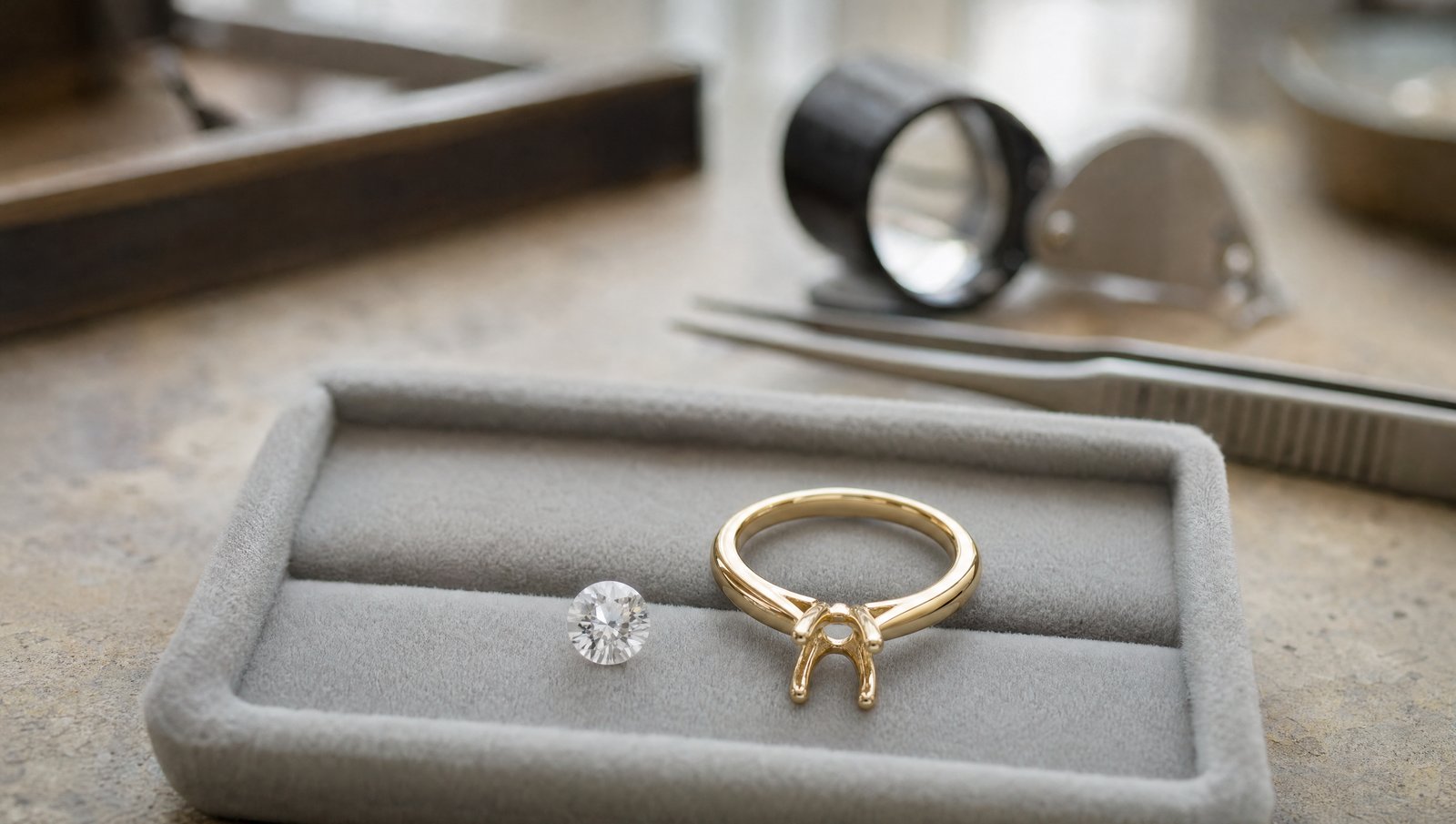
The center diamond is almost always where the majority of your ring’s resale value lives. Everything else, from the setting to the metalwork and design, contributes far less than most people expect. If you want to know how much your diamond is worth, you need to look at its certification, carat weight, color grade, clarity grade, and cut quality. These are the factors that professional buyers and gemologists use to determine fair market value.
The Four Cs (carat, color, clarity and cut) form the foundation of diamond valuation, but they’re not the only considerations. A certified natural diamond with strong grades will hold value much better than an uncertified stone or a lab-grown diamond.
The setting, on the other hand, rarely adds meaningful resale value. The gold or platinum is evaluated by weight and current market rates for precious metals, not by the hours of labor that went into crafting it. Intricate designs, hand engraving, and custom details may have cost thousands when the ring was made, but they don’t translate into higher offers from buyers. Sentimental value, while deeply personal, also doesn’t affect market price.
| What Holds Resale Value | What Typically Does Not |
|---|---|
| Center diamond (certified) | Labor and craftsmanship |
| Precious metal (by weight) | Design complexity |
| Brand name (Tiffany, Cartier) | Original retail markup |
| Natural diamond vs lab-grown | Sentimental value |
Brand Premiums and Lab-Grown Diamonds
Luxury brand names like Tiffany & Co., Cartier, Van Cleef & Arpels, and Harry Winston do retain more value in the resale market compared to unbranded rings. Buyers are willing to pay a premium for authenticated pieces from these houses because the brand itself carries weight, and the resale market for high-end jewelry from these makers remains active. However, even with a prestigious name, you won’t recover the full retail price.
Lab-grown diamonds present a different challenge entirely. While they may look identical to natural diamonds and cost significantly less upfront, their resale value is extremely limited. The market for pre-owned lab-grown stones is small, and buyers typically offer very little because new lab-grown diamonds continue to drop in price. If your engagement ring features a lab-grown center stone, expect resale offers to be much lower than you might anticipate, regardless of the stone’s size or quality grades.
Insurance Appraisals vs. Actual Resale Value
Many people mistakenly believe that an insurance appraisal reflects what their ring is worth on the open market. It doesn’t. Insurance appraisals are designed to determine replacement cost, which is often inflated to cover the retail price of buying a comparable new ring from a jewelry store. If you’re considering a diamond appraisal for resale purposes, you need a different type of evaluation, one that reflects current wholesale or secondary market conditions.
An appraisal document may list a high replacement value, but that number has little bearing on what a buyer will actually pay. Professional buyers, estate jewelry dealers, and diamond wholesalers base their offers on what they can realistically resell the ring for, minus their own costs and profit margins. This is why getting multiple opinions and understanding the difference between appraisal types matters.
How to Get a Realistic Number for Your Ring
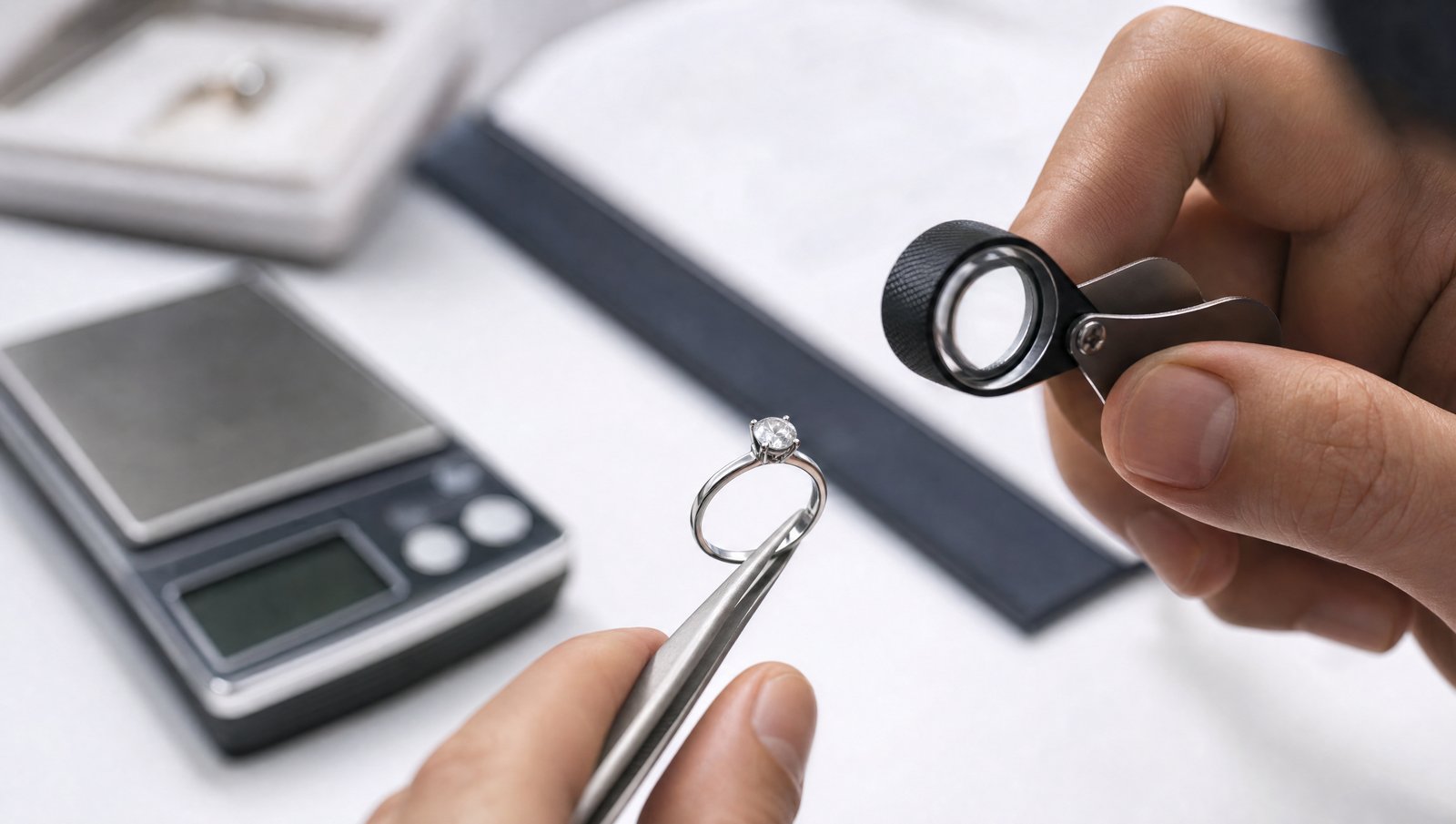
If you’re seriously asking how much can I sell my engagement ring for, the best approach is to gather accurate information and compare multiple offers. Start by locating any original paperwork you have, including receipts, grading reports from gemological labs like GIA or AGS (a GIA report check confirms the document matches the stone), and previous appraisals. A certified grading report is especially valuable because it provides an objective assessment of your diamond’s characteristics, which buyers trust more than verbal claims or outdated documents.
Next, reach out to several buyers and request in-person evaluations whenever possible. Online quotes can give you a ballpark idea, but they’re often less accurate than assessments done with the ring physically present. Reputable buyers will examine the stone under magnification, verify the metal content, and check for any damage or wear that might affect value. Comparing offers from several buyers matters, because quotes can vary significantly depending on the buyer’s business model and current inventory needs.
Keep in mind that lab-grown diamonds will receive much lower offers than natural stones, even if the quality grades are similar. If your ring contains side stones, small accent diamonds (counted in a ring’s total diamond weight), or gemstones other than the center diamond, these typically add minimal value unless they’re significant in size or quality. The bulk of any offer will almost always focus on the main stone and the metal weight.
Consider Your Options: Selling vs. Resetting
Selling isn’t the only option. If the diamond in your ring holds strong value but the setting no longer suits your taste or circumstances, you might consider keeping the stone and having it reset into a new piece of jewelry. This approach works well when the center diamond is certified, high quality, and something you’d like to continue wearing or pass down. A new setting can completely transform the look while preserving the investment you made in the stone itself.
This is the point where a jeweler who builds rings, rather than one who buys them, becomes the right person to talk to. Shimon Himovich, owner of Finer Custom Jewelry in Scottsdale, works with many couples who bring in a stone they already own, often a family diamond. Because the diamond is the part that holds its value, designing a custom engagement ring around it lets the owner keep what is worth keeping and replace only the part that no longer fits.

On the other hand, if you have no attachment to the piece and prefer to convert it into cash, selling outright makes more sense. Each situation is different, and the right choice depends on your personal goals, financial needs, and how you feel about the ring’s history.
Frequently Asked Questions
How can I tell how much my engagement ring is worth?
The most reliable way to determine your ring’s value is to obtain a recent gemological grading report for the center diamond, gather any original receipts or previous appraisals, and request evaluations from multiple reputable buyers. An in-person assessment allows a professional to examine the stone’s quality, verify the metal type and weight, and check the overall condition of the piece. Comparing several offers gives you a realistic sense of the market range, as different buyers may value the same ring slightly differently based on their business model and current demand.
Does the setting affect my ring’s resale value?
The setting contributes relatively little to resale value compared to the center stone. Buyers primarily focus on the weight of the precious metal, gold or platinum, and its current market price per gram or ounce. Intricate designs, hand engraving, or custom craftsmanship may have added significant cost when the ring was made, but these elements don’t typically translate into higher resale offers. The labor and artistry are valued by the original purchaser, but secondary market buyers assess the ring based on recoverable materials and the diamond itself.
Will I get back what I paid for my engagement ring?
In most cases, no. Retail jewelry prices include markups for overhead, sales commissions, marketing, and profit margins that don’t carry over to the resale market. Even high-quality rings from reputable jewelers will sell for less than their original purchase price because buyers in the secondary market evaluate pieces based on intrinsic value rather than retail pricing. The gap can be significant, so it’s important to set realistic expectations before you begin the selling process.
Knowing the Number Before You Decide
Understanding how much your engagement ring is worth requires looking beyond the original price tag and focusing on what the market values today. The center diamond holds the majority of resale value, especially if it’s certified and of high quality, while the setting and metalwork contribute far less. Brand names can help, but lab-grown diamonds face limited resale demand. Getting accurate information through gemological reports and comparing multiple buyer offers gives you the clearest picture of what to expect.
Whether you sell the ring or reset the stone into something new, understanding its true value is the first step. Being informed puts you in a stronger position to make the decision that best fits your current situation and future goals. If selling is the direction, Benadato offers a free, no-obligation evaluation, so the number comes from someone looking at the actual ring.
This guest article was contributed by Finer Custom Jewelry.