


How Much Is My Diamond Worth? A Comprehensive Guide
If you own a diamond, it’s natural to wonder about its value. Whether you’re considering selling, insuring, or simply curious, understanding the factors that determine a diamond’s worth is crucial. In this comprehensive guide, we’ll delve into the key aspects that influence the value of a diamond, providing you with the knowledge to make informed decisions. From the famous “4 C’s” to other important considerations, we’ll cover everything you need to know to assess your diamond’s worth accurately.

Carat Weight: Size Matters, But It’s Not Everything
While diamond carat weight is often the first factor people consider when assessing a diamond’s value, it’s important to understand that size alone does not determine worth. Carat weight refers to the physical weight of the diamond, with one carat equaling 200 milligrams. Generally, larger diamonds are rarer and therefore more valuable. However, two diamonds of the same carat weight can have significantly different values depending on their cut, color, and clarity. For example, a smaller diamond with excellent cut, color, and clarity may be worth more than a larger diamond with poor grades in those areas. So while carat weight is an important factor, it’s essential to consider all of the 4 C’s when evaluating a diamond’s worth.
Cut Quality: Unlocking a Diamond’s Brilliance
Cut quality refers to how well a diamond interacts with light, which is a crucial factor in determining its overall beauty and value. A well-cut diamond will showcase exceptional brightness, fire, and scintillation. These three aspects are the key components that gemologists assess when grading a diamond’s cut:
- Brightness: The amount of white light reflected from the diamond
- Fire: The dispersion of light into the colors of the spectrum
- Scintillation: The pattern of light and dark facets seen when the diamond moves
A diamond with an excellent cut grade will optimize these factors, resulting in a stunning display of brilliance and sparkle. Conversely, a poorly cut diamond may appear dull or lifeless, even if it has a high carat weight or color grade. Therefore, investing in a well-cut diamond is essential to ensure that your stone has the most attractive appearance and maximum value.
Diamond Color: Less Is More
When it comes to diamond color, less is actually more. The color of a diamond is graded on a scale from D (colorless) to Z (light yellow or brown). The closer a diamond is to being colorless, the rarer and more valuable it becomes. However, it’s important to note that most differences in color are subtle and not easily noticeable to the untrained eye. In fact, color differences are often more apparent when diamonds are viewed side by side rather than individually. While a truly colorless diamond (graded D) is the most sought-after and expensive, diamonds in the near-colorless range (graded G to J) can still appear white and offer excellent value for money. Ultimately, the importance of color in a diamond’s value depends on personal preference and budget.
Diamond Clarity: Flaws Can Affect Value
Diamond clarity refers to the presence or absence of inclusions and blemishes within the stone. Clarity is graded on a scale from FL (flawless) to I (included), with several grades in between. Flawless diamonds have no visible inclusions or blemishes when examined under 10x magnification by a skilled grader. However, most inclusions are not visible to the naked eye and require magnification to detect. Diamonds with fewer and less noticeable inclusions are rarer and more valuable. While flawless diamonds do exist, they are extremely rare and command top prices. For most diamond buyers, a diamond with inclusions that cannot be seen by the unaided eye offers the best value.
Additional Factors That Influence Diamond Value
While the 4 C’s are the primary determinants of a diamond’s value, there are some additional factors to consider. The shape of the diamond can affect its worth, with the round brilliant cut being the most popular and typically commanding higher prices. Fluorescence, or how a diamond responds to UV light, can also impact value. Strong blue fluorescence can make a diamond appear hazy and reduce its value. Grading reports from accredited laboratories like the GIA or AGS provide an objective assessment of a diamond’s qualities and can influence its worth. Current market trends and fashion preferences also play a role in determining how much a diamond is worth at any given time.
Putting It All Together to Determine Your Diamond’s Worth
Understanding the key factors that influence a diamond’s value is essential for making an informed purchase or sale. The 4 C’s – carat weight, cut, color, and clarity – are the primary determinants of a diamond’s worth, but additional considerations like shape, fluorescence, and grading reports also play a role. Ultimately, a diamond’s value is based on the combination of all these factors, along with subjective elements like current market trends. For the most accurate valuation of your specific diamond, it’s best to consult with a reputable jeweler or seek an independent diamond appraisal from a certified gemologist. When shopping for a diamond, focus on finding the highest quality stone that fits within your budget and meets your personal preferences in terms of size, shape, and style. By carefully weighing all the factors that contribute to diamond value, you can make a confident and informed decision about your diamond purchase or sale.
Reviewed by

Co-Founder & Diamond Expert
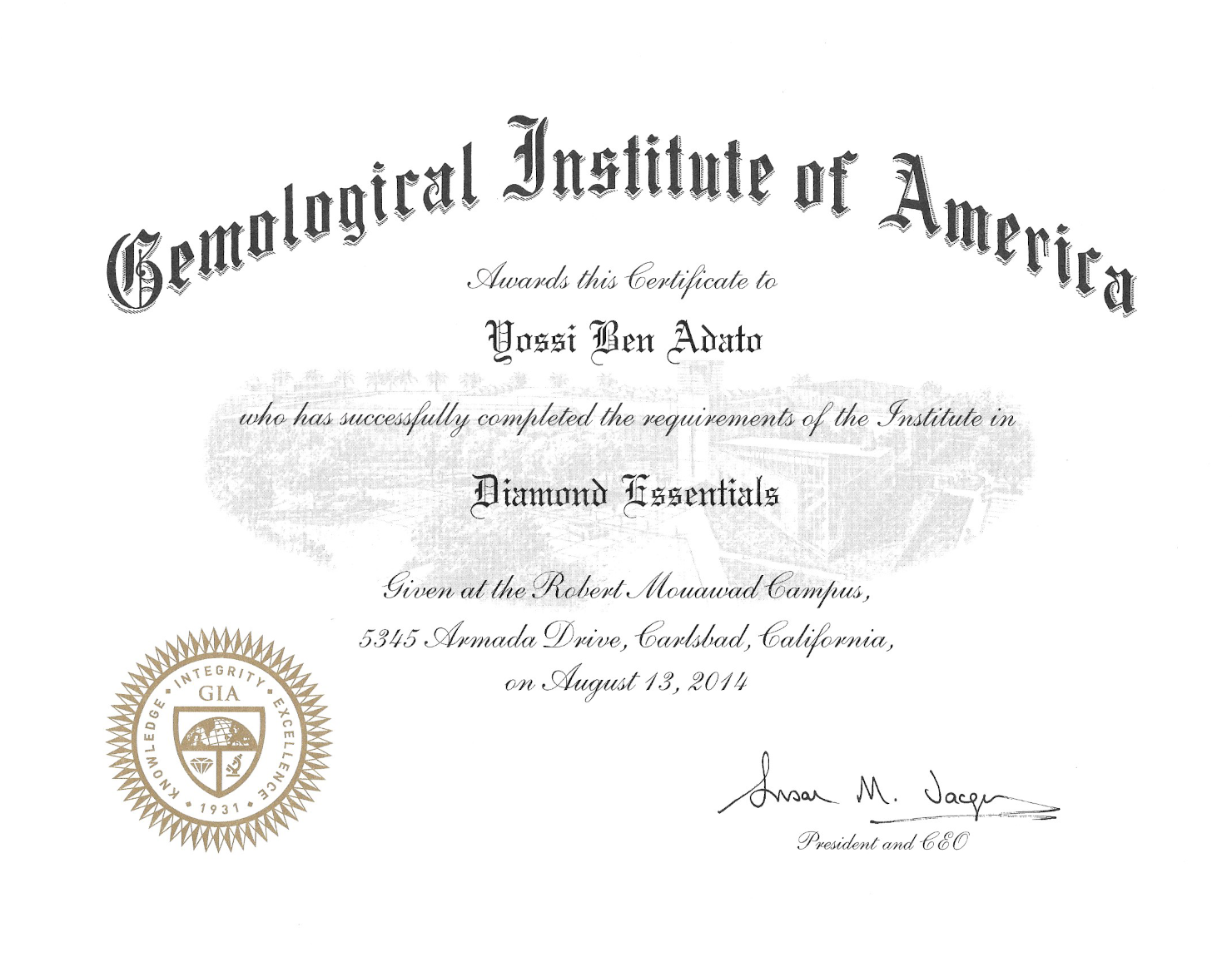
- GIA (Gemological Institute of America), Diamond Essentials, 2014
- Institute for Diamond Studies, Ramat Gan: Course in Gemology, Diamond Grading & Evaluation, 2003
Second-generation diamond dealer who learned cutting and trading from his father in Israel. Founded Benadato Trading Co. in 2011, and has operated from our Cherry Creek office since 2014, where he evaluates diamonds and luxury watches.
 loading="lazy"
 loading="lazy"
 loading="lazy"