


Yes, you can sell a lab-grown diamond, but most people are surprised by how little it brings. Here’s the honest answer we give every client who asks, and what to do if you own one.
Why Lab-Grown Diamonds Have Little Resale Value
A lab-grown diamond is a real diamond, made in a laboratory instead of mined. Chemically and optically it’s the same material. The problem for resale is supply. New lab-grown diamonds keep getting cheaper to produce, so the price of a new stone keeps falling, and a used stone has to compete with that price.
That’s the opposite of how natural diamonds behave. A larger natural diamond with a strong GIA report holds its value far better, because the supply of natural stones is limited. Lab-grown diamonds have also pushed down resale prices for smaller natural stones: natural diamonds under 1.5 carats have lost a lot of resale value since lab-grown diamonds entered the market.
What a Lab-Grown Diamond Ring Is Worth
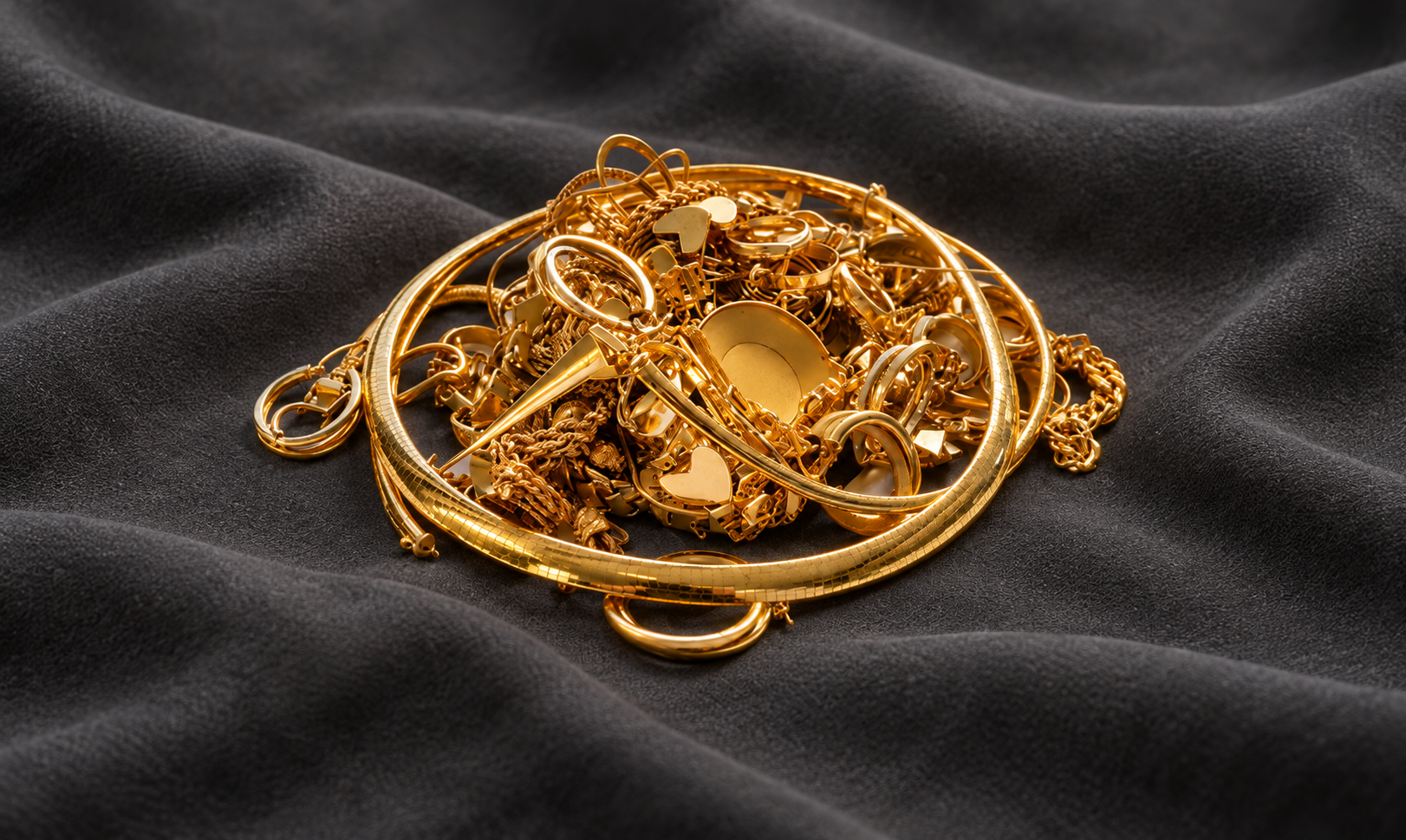
In most cases the gold or platinum setting is worth more than the stone. That’s the part of the ring that holds its value, because metal is priced on weight, purity and the live market, the same way whether the center stone is natural or lab-grown.
| Part of the ring | How it’s valued |
| Lab-grown center stone | Very little resale value today |
| Gold setting | Weighed, tested and priced on today’s gold spot price |
| Platinum setting | Priced by weight and purity against the live platinum market |
| Designer name | Can add value when the piece is authentic |
For a closer look at how a ring is priced, read how much is my engagement ring worth.
How to Tell if Your Diamond Is Lab-Grown
You usually can’t tell by eye. A few places to look first:
- The grading report. GIA, IGI and other labs state clearly when a diamond is laboratory-grown. You can look up a GIA report online: see our GIA report check guide.
- The girdle inscription. Many lab-grown diamonds carry a laser inscription that identifies them.
- The receipt. A large diamond bought recently for a low price is often lab-grown.
Home tests can’t separate lab-grown from natural, because both are diamond. A gemologist with professional equipment can. Our guide on how to tell if a diamond is real explains the difference between lab-grown diamonds and imitations like moissanite.
Natural or Lab-Grown? Find Out for Free
We test every stone for free and tell you exactly what it is before we talk numbers. Michael Nedler, our GIA accredited since 1981, does the evaluation in a private Denver office. If your diamond turns out to be natural, it may be worth far more than you expected. If it’s lab-grown, we’ll tell you plainly and show you what the setting is worth.
To book a free evaluation, call +1-888-625-0232 or use the form on our sell diamonds page. Not in Denver? We work with sellers anywhere by insured mail: see how to ship your items safely.
Lab-Grown Diamond Resale FAQs
Do lab diamonds resell well?
No. Lab-grown diamonds have very little resale value today, because new ones keep getting cheaper to produce.
Will a jeweler buy a lab-grown diamond?
Expect very little for the stone itself. We’ll always take a look and test it for free, but in most cases the gold or platinum setting is worth more than the stone.
How much can I sell a 1 carat lab diamond for?
Very little compared with what it cost new. The metal in its setting is usually the bigger part of the value.
What should I do with a lab-grown diamond ring I no longer wear?
Have it tested so you know what it is. If you decide to sell, the gold or platinum is priced on weight and purity, and you can sell gold or platinum the same day.
Reviewed by

Co-Founder & Diamond Expert
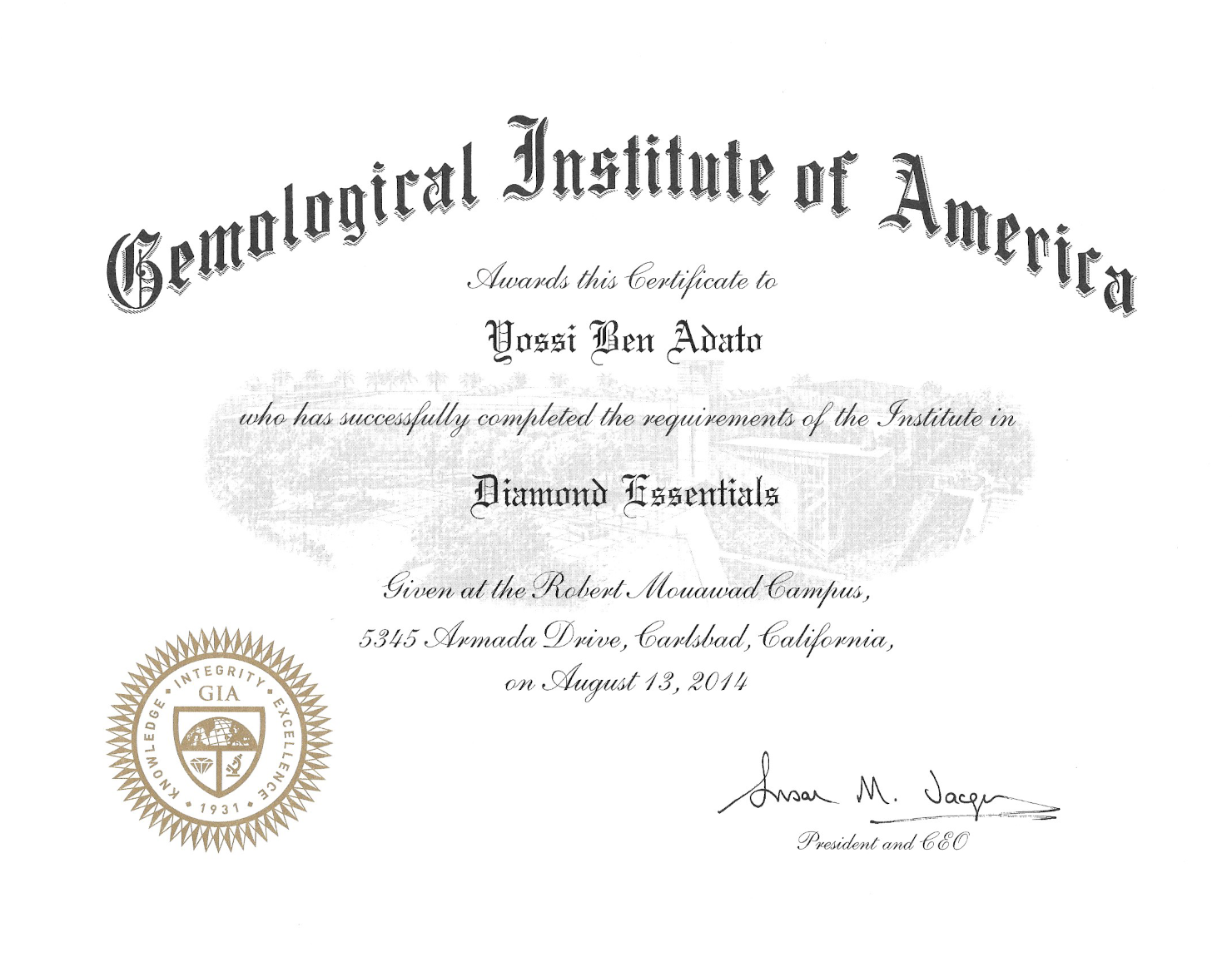
- GIA (Gemological Institute of America), Diamond Essentials, 2014
- Institute for Diamond Studies, Ramat Gan: Course in Gemology, Diamond Grading & Evaluation, 2003
Second-generation diamond dealer who learned cutting and trading from his father in Israel. Trading diamonds in the U.S. since 2004 and buying from sellers in Denver since 2011, where he evaluates diamonds and luxury watches.
 loading="lazy"
 loading="lazy"
 loading="lazy"